Our visions and values
Early childhood experiences have a profound impact on a child’s overall development, well-being, and future achievement. The care and education children receive during these formative years must therefore be of the highest quality and tailored to their individual needs.
Learning Together Naturally
Mixed-Age Learning (Ages 2–4)
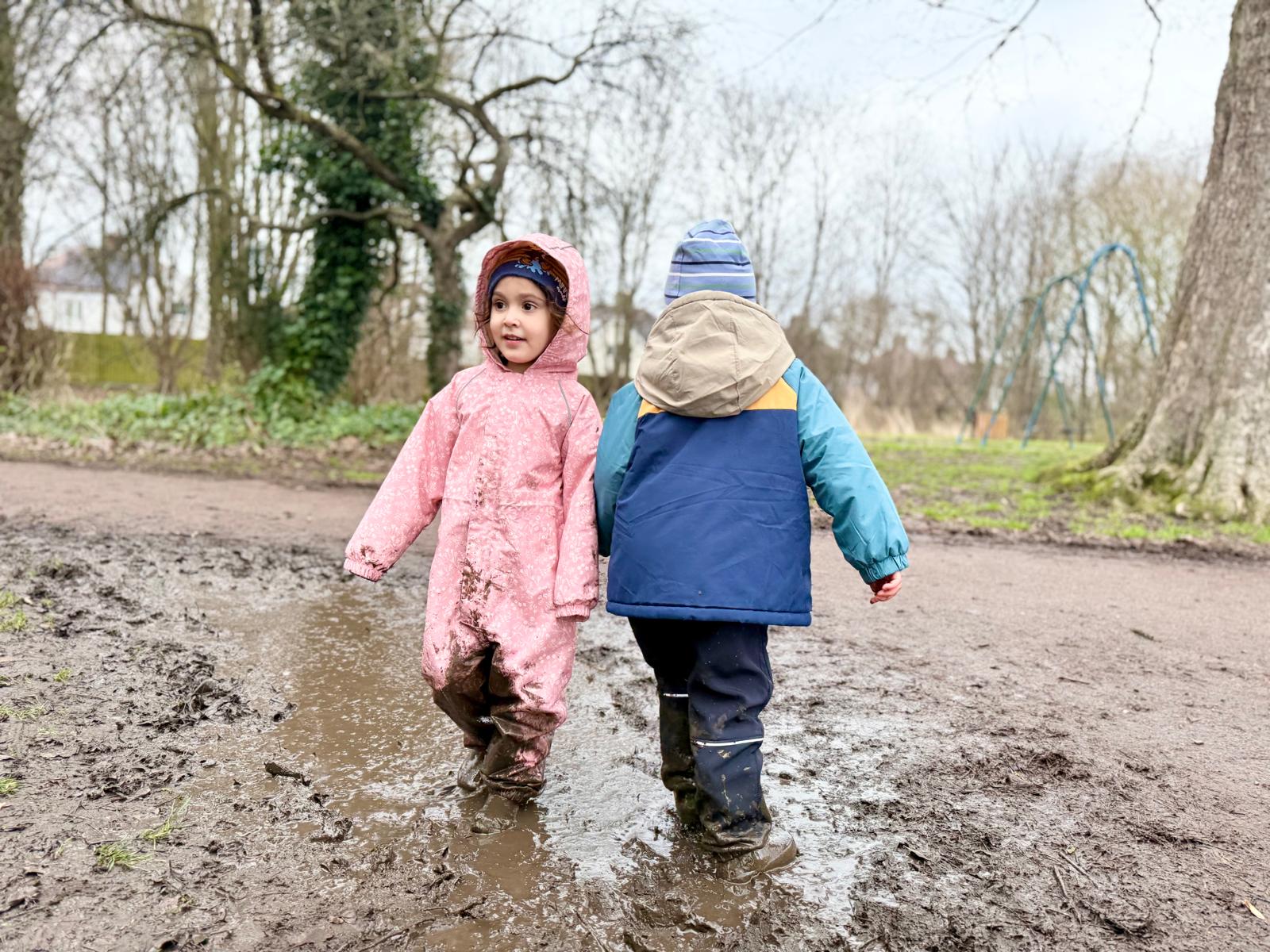
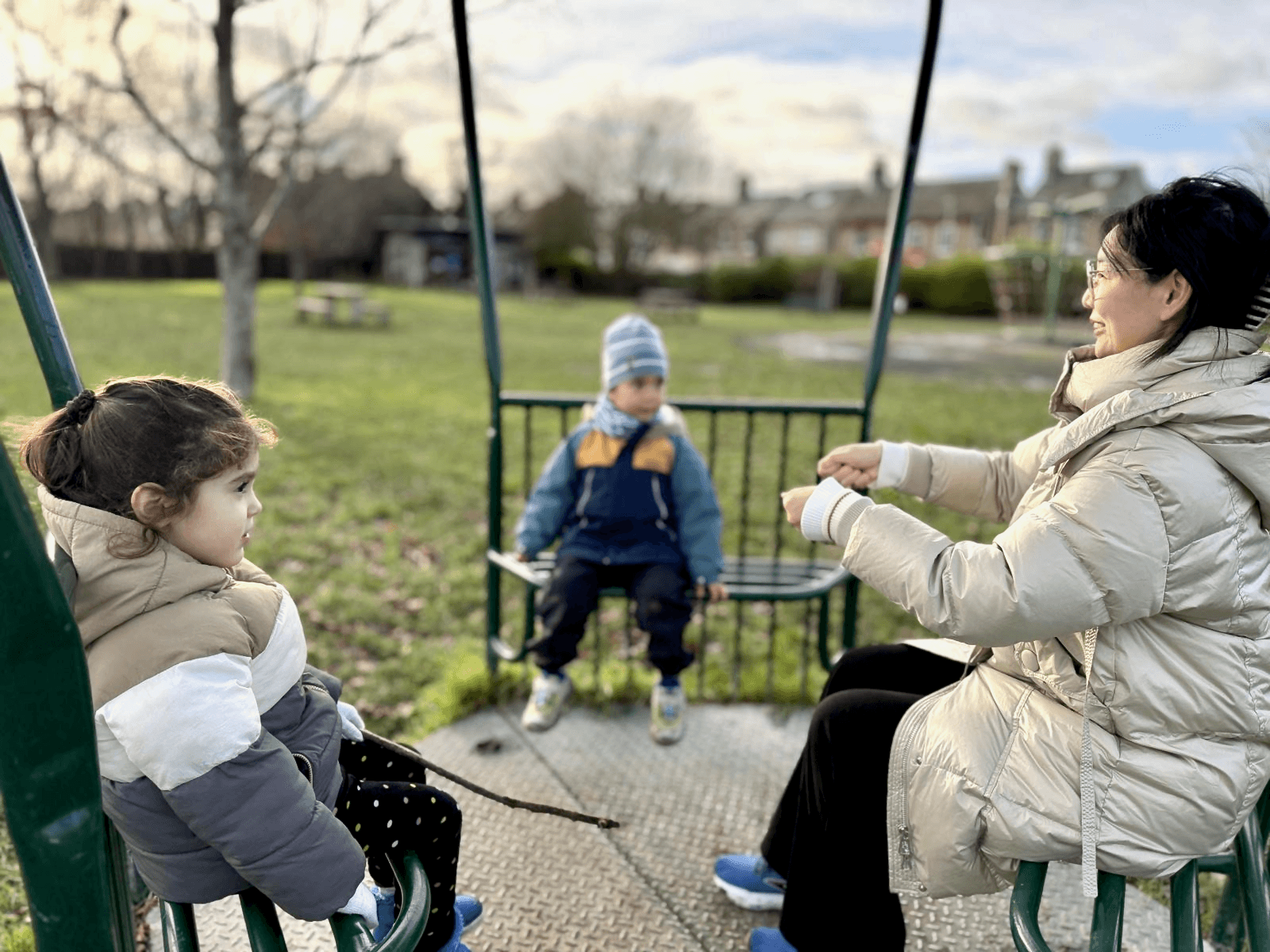
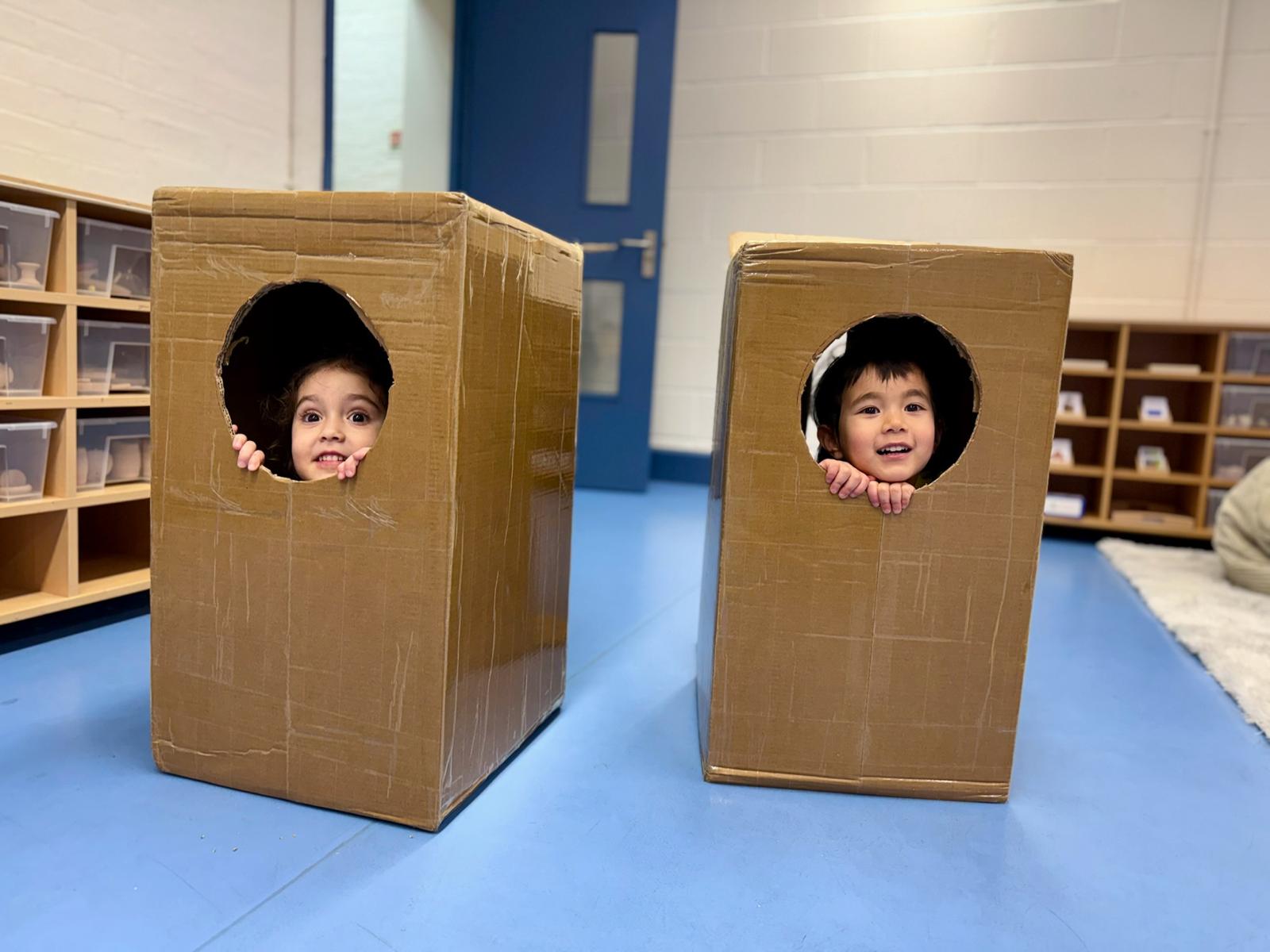
Our mixed-age classrooms encourage children to learn from and support one another. Older children develop confidence and leadership as they guide younger peers, while younger ones are inspired to grow by observing and engaging with more advanced learners. This natural collaboration fosters empathy, independence, and a strong sense of community.
Two Languages
Bilingual Immersion
Our Mandarin–English environment enhances children’s cognitive development and communication skills through daily bilingual interactions. Research shows that learning two languages strengthens memory, focus, and problem-solving abilities. By engaging with both languages and cultures, children grow into confident, open-minded, and globally aware learners ready for the future.
Understanding Feelings Together
Emotion Coaching & Mindfulness
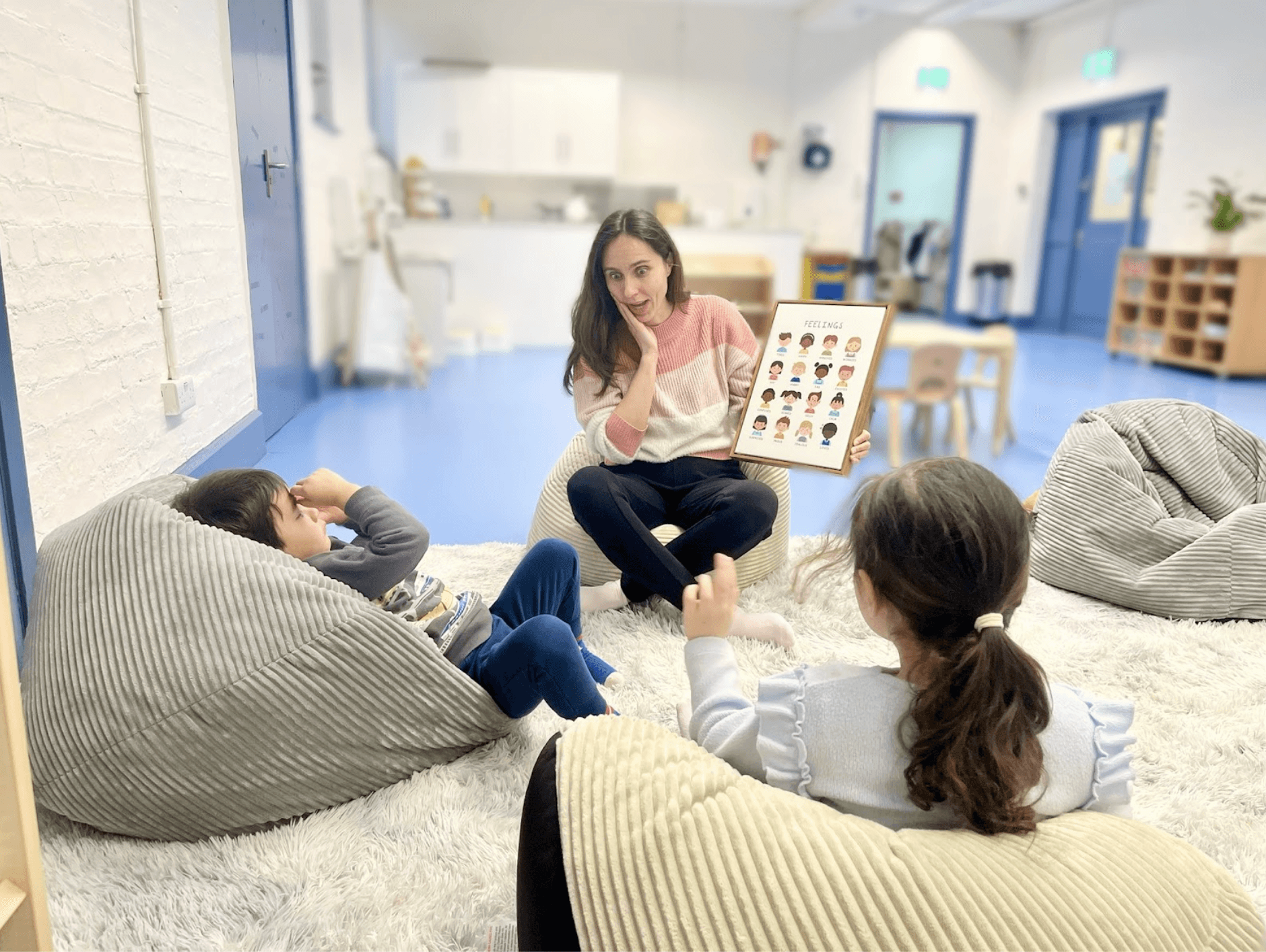
We place emotional well-being at the heart of our curriculum. Through gentle emotional coaching and age-appropriate mindfulness practices, children learn to recognise, understand, and express their feelings with confidence and empathy. These skills build emotional resilience, self-awareness, and compassion — essential foundations for lifelong growth and positive relationships.
Child-Led Discovery
Montessori-Inspired Learning
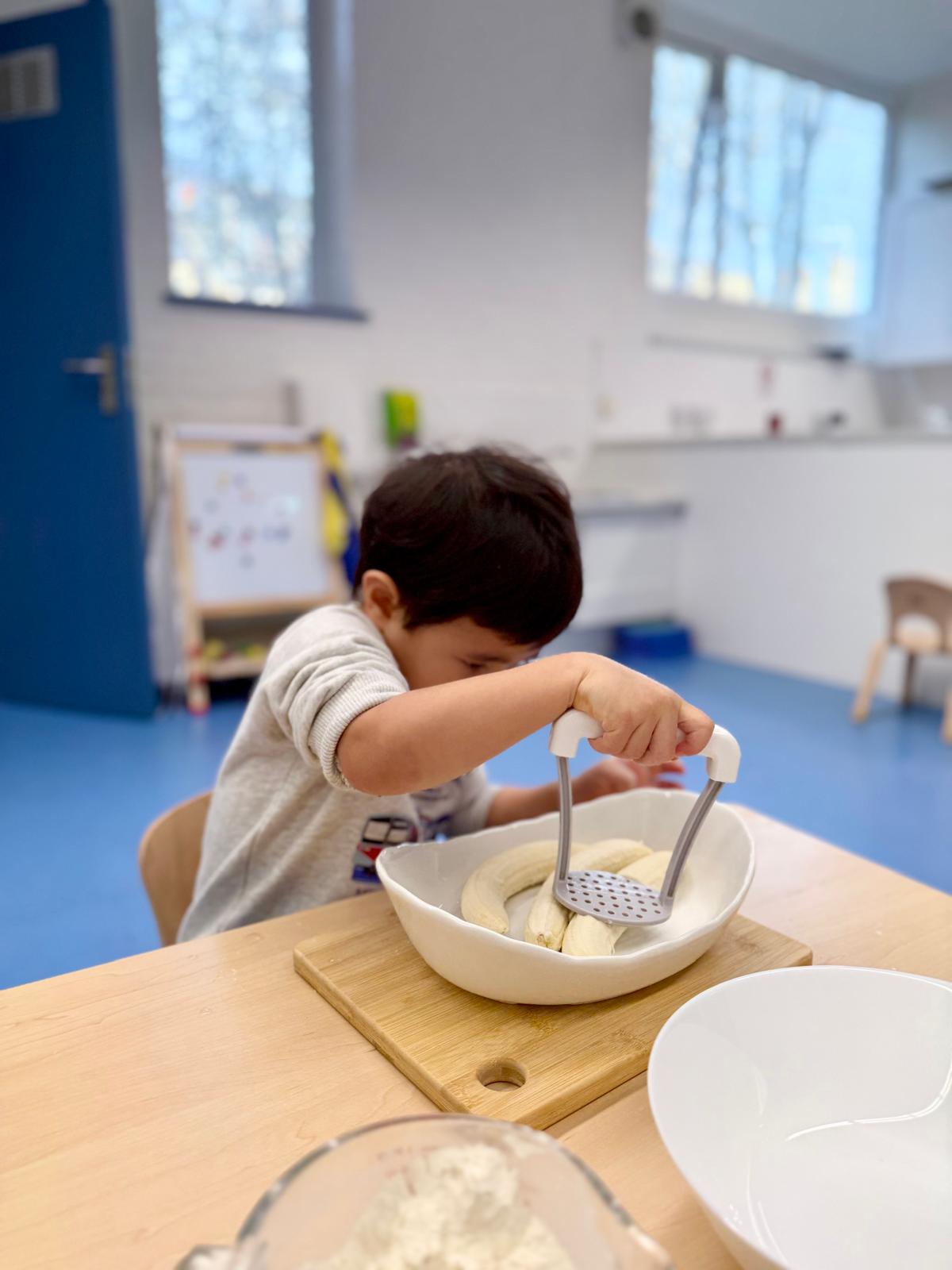
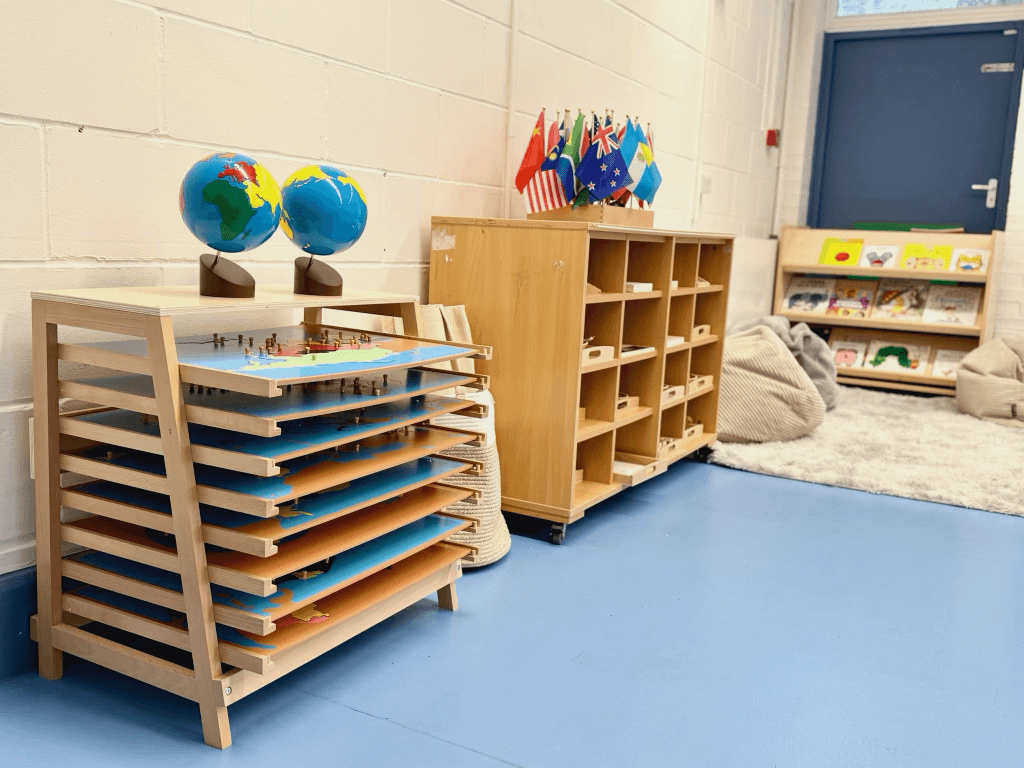
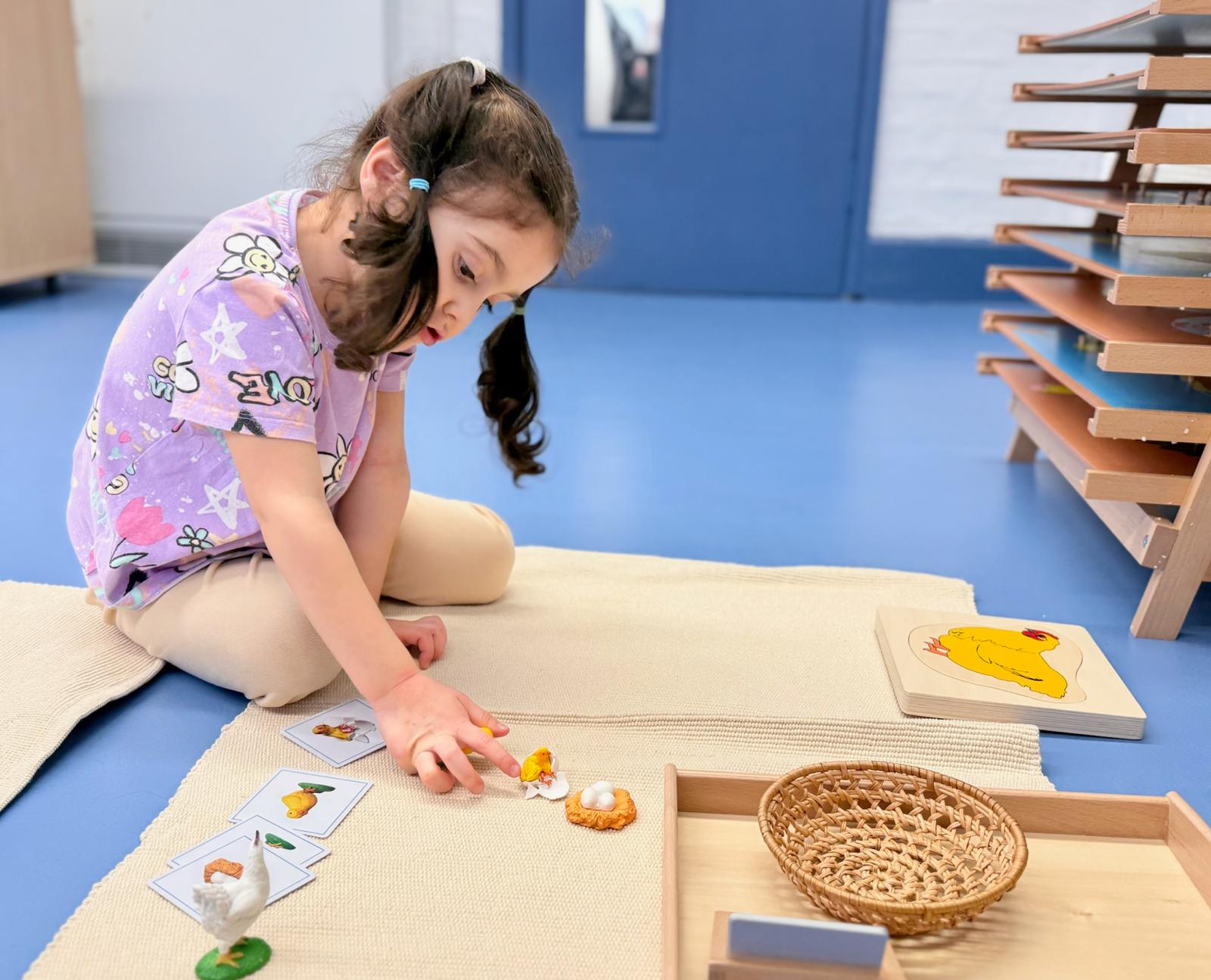
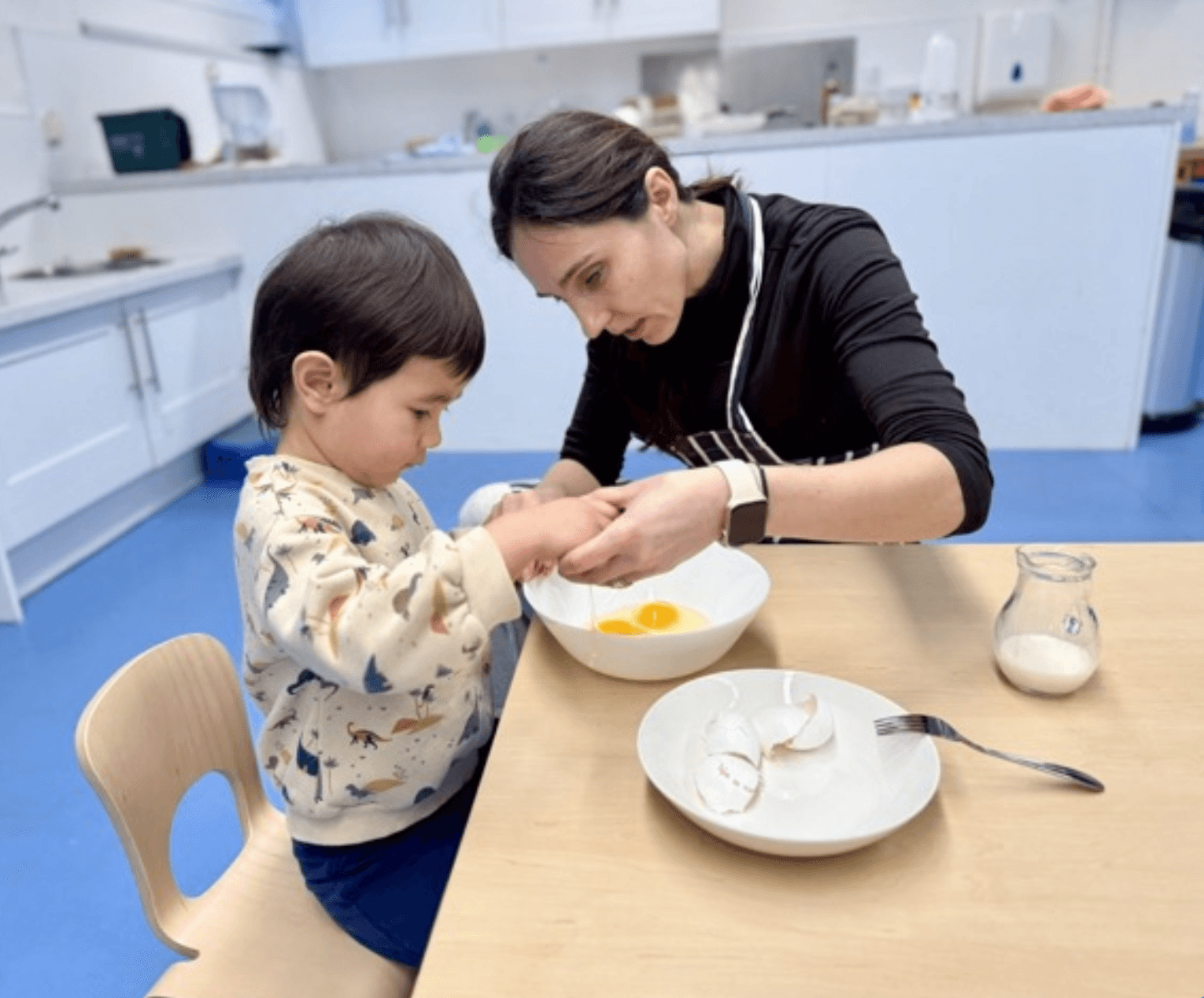
Rooted in Montessori philosophy, our approach empowers children to explore, discover, and learn at their own pace. By offering hands-on experiences and freedom within structure, we nurture independence, confidence, and intrinsic motivation — helping each child develop a genuine love for learning that lasts a lifetime.
Expert Care Always
Highly Trained, Psychology-Informed Team
Guided by our founder, Crystal (PhD in Psychology), and manager, Alex (MSc, with over 9 years of Montessori experience), our team turns the latest psychological research into practical, everyday teaching. Each educator is trained to use clear communication, descriptive praise, and structured routines that nurture emotional regulation, focus, and resilience.
Nutrition for Growth
Food for brain development
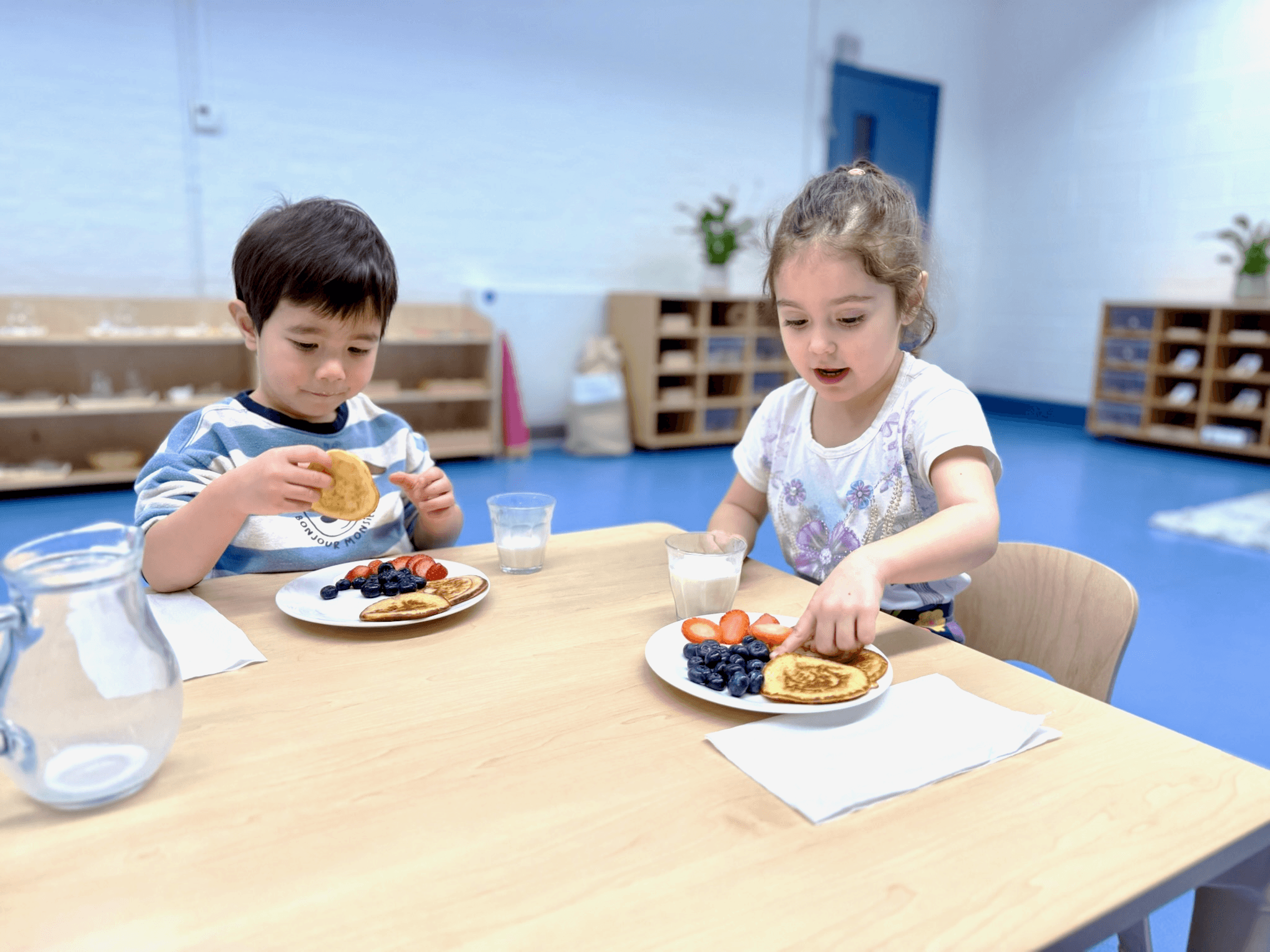
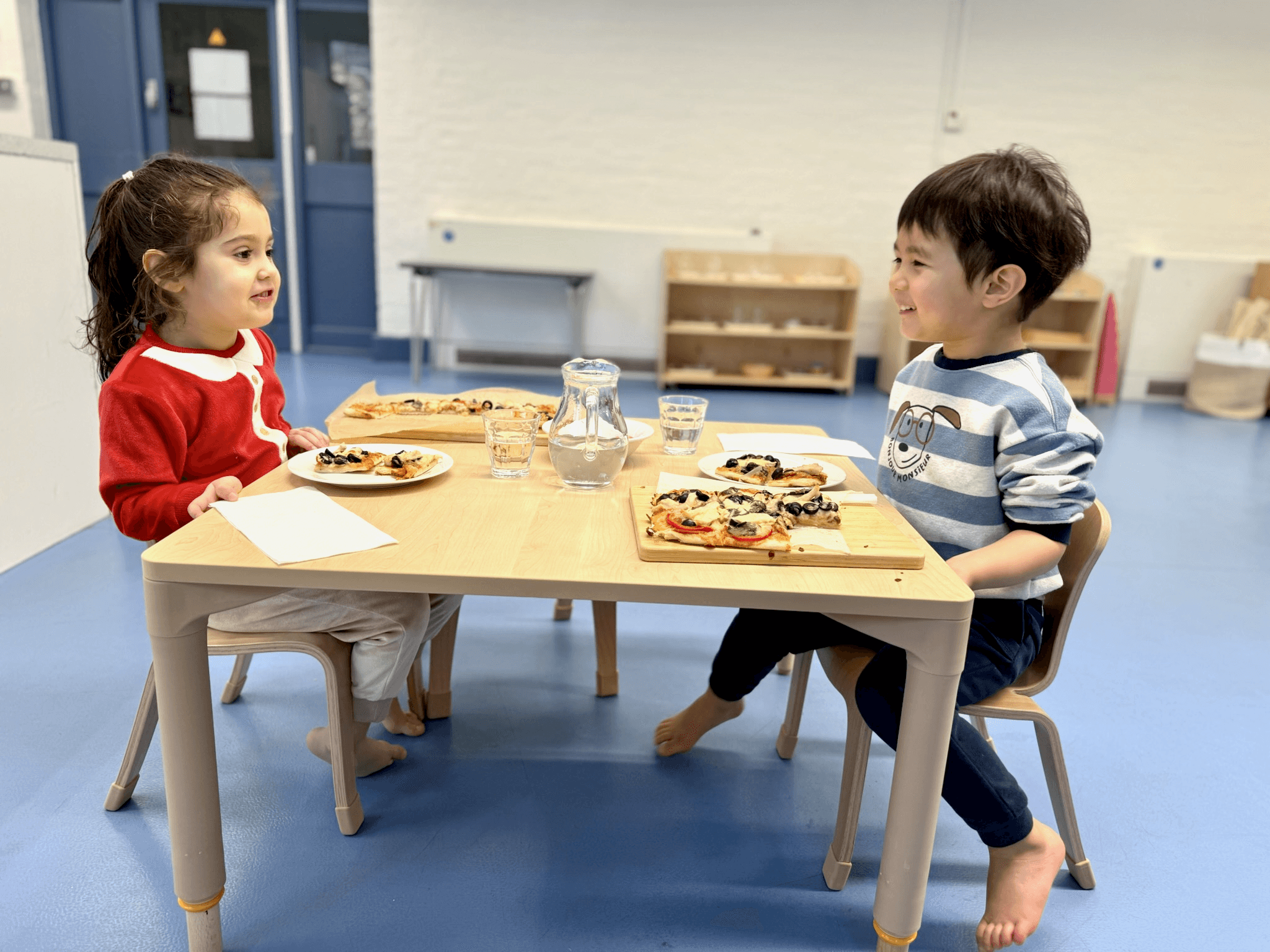
Low in fast carbohydrates (e.g. sugar and carbs that quickly turn into sugar), high in fiber, slow carbs and “good” fat (mono and poly unsaturated). One of the biggest pillars for keeping stable energies throughout the day and enabling healthy brain and physicial development.